
Pond Basics & Getting Started
Learn the fundamentals of pond ownership. Understand seasonal maintenance, wildlife management, and the core practices that keep ponds healthy year-round.
Owning a pond is rewarding but requires understanding seasonal patterns, ecological relationships, and management rhythms. A healthy pond doesn't maintain itself - it needs seasonal attention, wildlife management, and a commitment to understanding how ecological systems work.
Whether you're a new pond owner just getting started or an experienced steward looking to refine your management, understanding the fundamentals helps you make informed decisions about your water body. From spring preparation through winter management, each season brings different challenges and opportunities.
Seasonal rhythm matters: Ponds follow natural cycles. Spring ice-out, summer stratification, fall turnover, and winter dormancy each require different management responses. Anticipating seasonal changes prevents crises.
Wildlife belongs in ponds - with limits: Fish, frogs, birds, and invertebrates create healthy ecosystems. But overpopulation of certain species - like muskrats or geese - can damage pond structure and water quality. Managing wildlife means coexistence, not elimination.
Prevention beats treatment: Regular maintenance, water quality monitoring, and early intervention prevent expensive problems. A pond managed preventatively costs less and provides better ecosystem health than one managed reactively.
Document what you do: Keep notes on maintenance tasks, treatments applied, water quality readings, and ecological observations. This history helps identify patterns and guides future decisions.
New to pond ownership? Our team loves helping beginners. Email support@naturalwaterscapes.com with your pond specifics.
Wildlife Management
Muskrats, geese, and other wildlife add to pond ecosystems but can cause significant problems if populations grow unchecked. Understanding identification, population dynamics, and management techniques helps you maintain ecological balance while protecting pond infrastructure.

Identify muskrats and look-alikes, assess burrow damage, check wildlife rules and plan repairs appropriate to the embankment defect.
Read Guide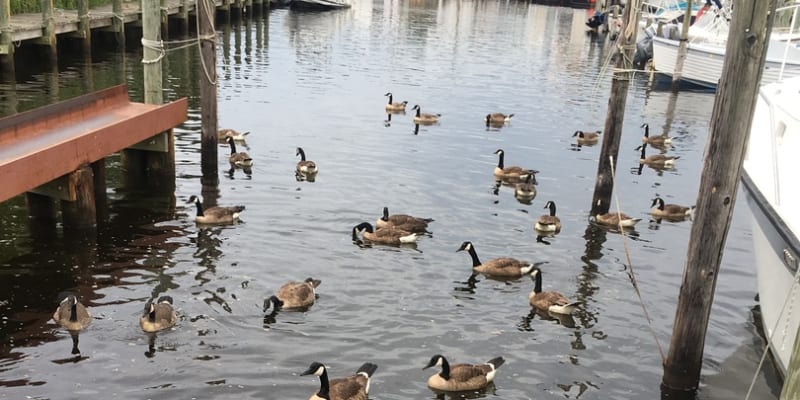
Manage Canada geese with habitat changes and appropriate deterrents. Check current federal, state and local requirements before nest or bird control.
Read Guide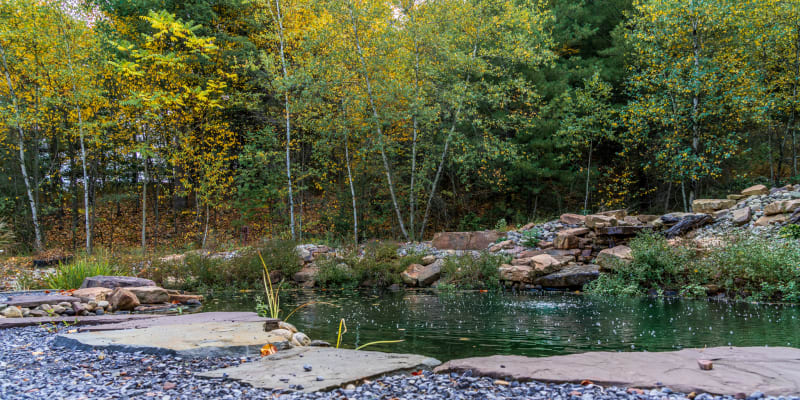
Use seasonal conditions and measurements to plan pond care. Adjust timing to climate, oxygen, vegetation and equipment needs rather than fixed treatments.
Read GuideReady to Become a Better Pond Owner?
Pond management is a journey. Start with seasonal maintenance basics, then deepen your understanding of specific challenges. Our expert team is here to support you every step of the way.