American Pondweed
Identification
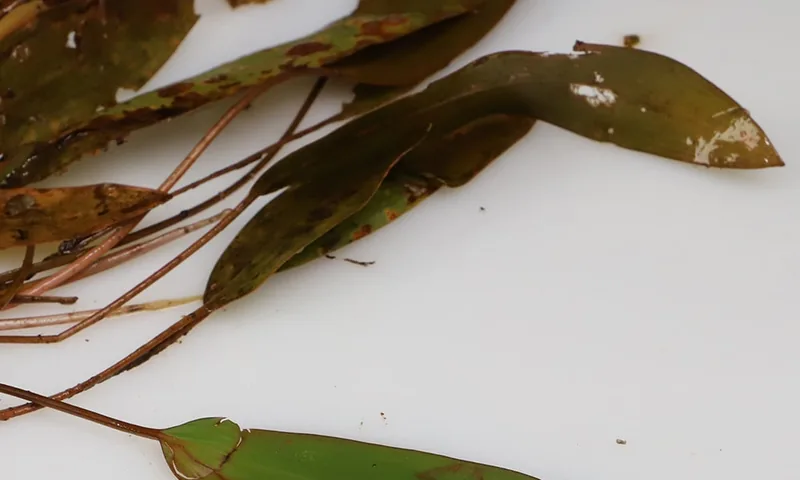
American pondweed runs two kinds of leaf on the same plant, and noticing both is the identification. Elongated leaves float at the water surface, connected to rooted stems that reach up to 6 feet. Separately, thin leaves grow along the stem and stay submerged.
It grows throughout the United States and can occupy water up to 20 feet deep where the water is clear enough to pass light.
Look-Alikes
American pondweed sits in a crowded family. Other similar weeds within the Potamogeton family are variable leaf pondweed, curly pondweed, sago pondweed, and large leaf pondweed. Of these, curly leaf pondweed is separated most easily: its leaves do not float at the surface the way American pondweed's do.
Why It Matters
This is a native submerged weed and it is worth being deliberate about. Pondweed provides shade and cover for fish. That cover is needed by largemouth bass and other species for spawning, and vegetation like this also provides protection for young fish.
Which leads to the point the shop page makes and that is easy to skip past: there is a difference between weed management and complete kill. Vegetation can be managed by spraying only the areas where weeds are not wanted, leaving the rest to do its job.
Control Approach
Light. Pond dye is an early season application. Dye must be applied before growth begins and maintained throughout the year to be effective - starting it after growth is up will not work.
Mechanical. Removal with a pond rake, likely needed multiple times per year.
Biological. Grass carp can eat 2 to 3 times their own body weight in vegetation per day.
After treatment. Apply pond dye monthly for best results, and use Muck Remover pellets to break down decaying pondweed and other muck.
Recommended Treatment Products
These are the products Natural Waterscapes recommends for american pondweed, with the role each one plays. Read the label and confirm the product suits your waterbody before applying.
Common Questions
Should I kill all the American pondweed in my pond?
Not necessarily. It is a native plant that provides shade and cover for fish, including spawning cover for largemouth bass. Vegetation can be managed by spraying only the areas where weeds are not wanted.
How deep does American pondweed grow?
In water up to 20 feet deep, if the water is clear.
When should pond dye be applied?
Early season. Dye must be applied before growth begins and maintained throughout the year to be effective.
How much do grass carp eat?
Grass carp can eat 2 to 3 times their own body weight in vegetation per day.
Need help with american pondweed?
Our pond and lake experts can confirm the identification and recommend a treatment plan sized to your waterbody. Send a photo or give us a call.